
Exercise Training for an Apocalypse
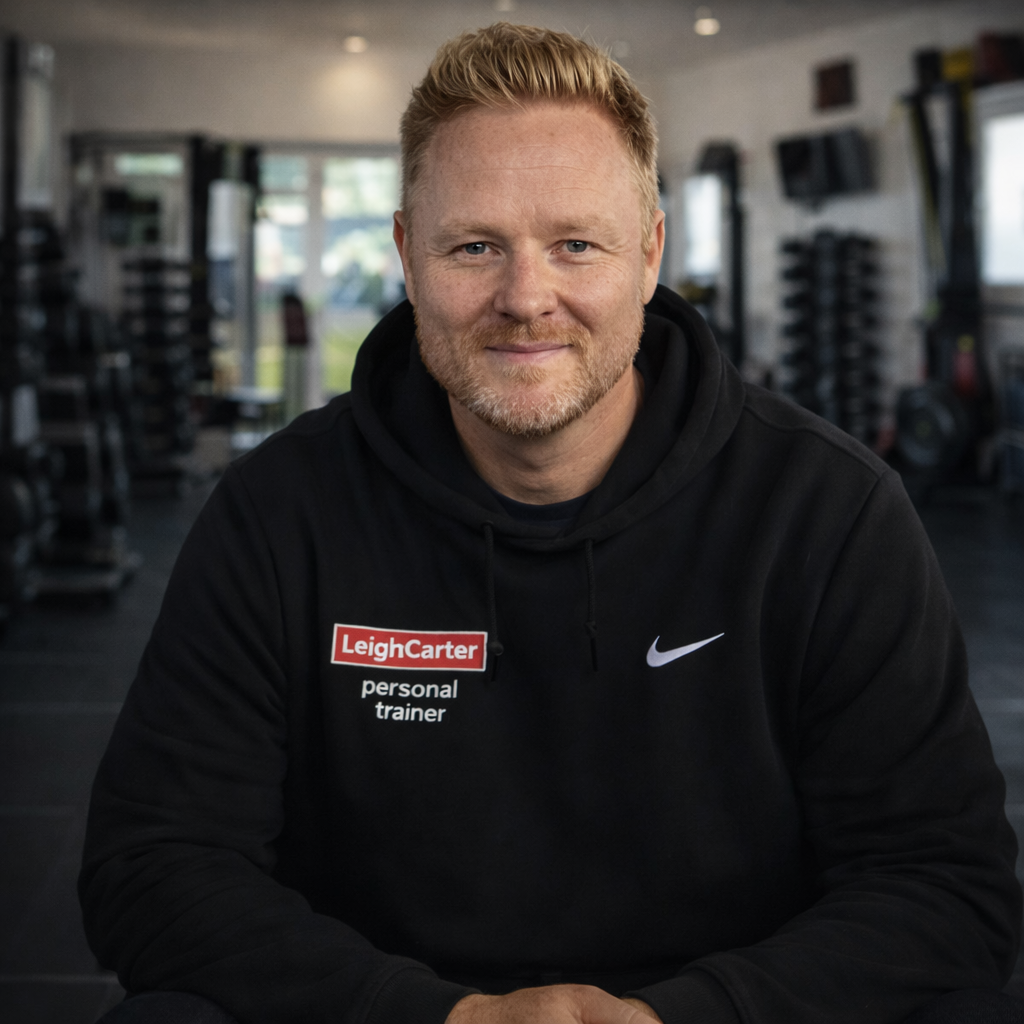
By Leigh Carter · Personal trainer at anybodygym
Private training in Peterborough · Online coaching across the UK
Could you outrun a zombie, carry your supplies and keep going when the car will not start? Exercise training for an apocalypse is a ridiculous question with a useful point: what would you like your body to be capable of?
The useful answer: build strength, stamina, balance and comfortable movement. You do not need an extreme survival workout. A manageable routine that you repeat and gradually progress is a much better starting point.
Why this matters to me—without the zombies
I am Leigh Carter, the personal trainer behind anybodygym. I have spent more than 28 years coaching, but I did not start out as someone who naturally loved sport. I struggled with my weight, started learning in a local gym and even built equipment in my dad’s garage.
My coaching changed over the years. Working with adults who wanted to feel better, move well and stay independent mattered more to me than chasing an impressive physique for its own sake. Becoming a dad made strength and energy feel even more personal.
That is the real point of this article. The zombie story is fun; being able to carry the shopping, manage stairs, get up from the floor or enjoy a walk with your family is useful now. You can read more about my background and approach here.
1. Speed: you do not have to start with sprinting
In the film version, this is where you sprint away from the undead. In everyday life, it might mean walking briskly without feeling that every journey is a major effort.
The original idea still stands: the ability to move at different speeds is useful. But all-out sprints are demanding. They are not the first thing I would give an adult returning to exercise after years away.
A practical starting point: choose a walk you can manage. If that is comfortable, include short stretches at a slightly brisker pace, then ease back. Build gradually rather than turning every walk into a test.
If you already run regularly and want to develop speed, appropriate running drills and carefully progressed intervals may have a place. Warm up, allow recovery and choose a level that fits your current fitness.
2. Agility and balance: change direction with control
Dodging a zombie makes a good mental picture. Stepping around the dog, changing direction on a path or feeling steady on uneven ground is the everyday version.
Fast cone drills are one option for someone ready for them. For someone less confident, I would begin with slower changes of direction, controlled side steps and balance work near a secure support.
- Start simply: step sideways and return, using support if needed.
- Build control: practise stepping forwards, sideways and back in a clear space.
- Progress when ready: add pace or more demanding direction changes once the basic movement feels reliable.
The aim is to move more confidently, not to make a drill look impressive on camera.
3. Strength: lift, carry, push and pull
In an apocalypse story, you are moving an obstacle or carrying supplies. In your own life, strength helps with bags, luggage, stairs, gardening and the physical jobs you would rather keep doing for yourself.
This is central to how I coach. Strength training does not have to mean a barbell, a heavy weight on day one or being shouted through a session. The right exercise is one you can perform with control and gradually make more challenging.
Lower body
A sit-to-stand or squat develops the action of lowering and standing. Choose a manageable height or range.
Upper body
A wall or incline press-up is a useful pushing option. Pulling work needs suitable, properly secured equipment.
Carrying
A manageable load in a clear space can introduce carrying work. Start light enough to stay upright and controlled.
Weights, bodyweight movements and other resistance can all have a role. There is no prize for using a load you cannot manage. For more options, use my 100 bodyweight strength exercises guide to find suitable starting points and progressions.
4. Cardiovascular fitness: keep going
You may never need to trek across a deserted city for supplies. You might want a day out, a holiday walk or a flight of stairs to feel less demanding.
Walking, cycling, swimming and other activities you can repeat are all useful ways to develop aerobic fitness. You do not need to dismiss indoor cycling or a class because it does not look like survival training. Enjoyment and practicality matter when you are trying to build a habit.
Start from what you can comfortably manage and add time or effort gradually. Loaded backpack walks are an option for some people, not a requirement or a beginner default.
Consistency over intensity. A routine that survives a busy week is more useful than a heroic session followed by giving up.
5. Mobility: use the movement you have
The fictional version is squeezing through a gap. The real version might be reaching a shelf, putting your shoes on or moving comfortably through your training exercises.
Comfortable stretching, controlled movement and appropriate strength work can form part of that picture. Yoga may suit you; it is not compulsory. Nor do you need to force yourself into extreme positions.
I would look at the movements that matter to you and your current ability. Work within a comfortable range, build gradually and get individual guidance if pain or a limitation is affecting what you can do.
Put the five ideas into an ordinary week
You do not need five separate programmes. A sensible week can include strength work, regular walking or another activity you enjoy, and small amounts of balance and mobility practice where appropriate.
Build strength
Work towards regular sessions covering the main muscle groups, using suitable exercises and resistance.
Keep moving
Make room for activity you can repeat. Short, manageable bouts can be a starting point.
Review and adapt
Notice what feels easier, what needs practice and whether the plan fits your real week.
For adults aged 19–64, NHS guidance recommends strengthening the major muscle groups on at least two days a week, alongside at least 150 minutes of moderate activity or 75 minutes of vigorous activity. These are general targets to work towards, not a demand to jump straight into them.
If you are returning after a long break, have a medical condition or are unsure what is appropriate, get advice about a suitable starting level. Build from where you are.
My role is to turn broad advice into decisions: which exercises, how much, how often and what to change next. For a busy adult, that may be more valuable than another long list of things you could do.
Train for the life you want to keep enjoying. The apocalypse can remain fictional. Feeling stronger, fitter and more capable is a worthwhile goal in the meantime.
Frequently asked questions
What is the best exercise for an apocalypse?
There is no single best exercise or proven apocalypse programme. The useful training idea is a mix of strength, aerobic fitness, balance and movement suited to you. This article uses the fictional scenario as a way to think about practical fitness.
Do I need to run or lift heavy weights?
No. Walking and suitable resistance exercises can be starting points. Running, heavier lifting and faster drills can be introduced where appropriate; none is a test you must pass before you can get started.
Can I train for this at home?
Yes, many useful movements can be done at home. Your plan should account for your space, equipment, experience and goals. Some exercises, especially pulling movements, need a suitable setup.
Can you help if I am not near Peterborough?
Yes. My online coaching is available across the UK, with a personalised programme, clear guidance and regular reviews. You can train at home or in a gym, with a plan built around the equipment you have.
Put it into practice with anybodygym
Online Personal Training & Coaching
I’m Leigh, the personal trainer behind anybodygym. I help adults build strength, improve fitness and work towards weight-management goals with structured training and realistic nutrition guidance.
You do not need to live near my gym to work with me. My online coaching brings that support to you across the UK, with a personalised training plan, regular check-ins and guidance on how to progress. We start with your goals, experience and available equipment, then build a routine you can realistically follow.
In Peterborough? Train one-to-one with me in a fully private gym: just you and your trainer, with no other clients sharing your session.
Sources and further reading
The apocalypse scenario is fictional. These sources support the general exercise guidance, not a claim that a workout guarantees survival.
- NHS: physical activity guidelines for adults
- NHS: gentle strength exercises and gradual progression
- NHS: balance exercises
- Cardiovascular Effects and Benefits of Exercise — research review on cardiovascular health, not apocalypse preparedness.