

Everyday Movement and Training: Why I Make Room for Both
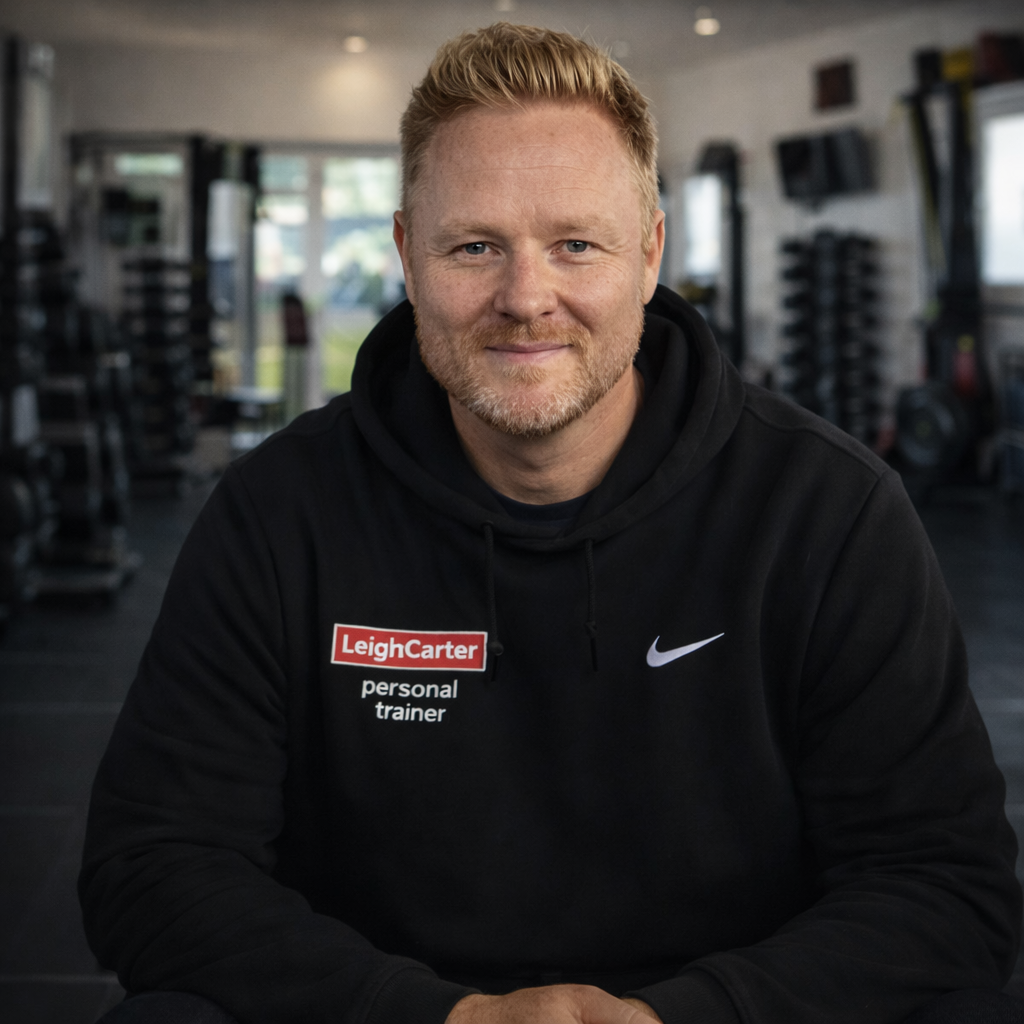
Private personal training · Peterborough & online
Everyday movement and planned training do different jobs in my week. Walking and cycling keep activity enjoyable and flexible; gym sessions give me a way to practise, challenge and measure specific abilities.
Make movement easier to choose
I have written about choosing surroundings that encourage activity, including living near the river and making walking or cycling part of normal journeys. When a useful route is nearby, moving becomes less of a separate appointment.
But moving house, changing jobs or getting a dog is not a universal fitness prescription. People have different finances, responsibilities, mobility and access to safe routes. The useful principle is to make a suitable form of movement easier within the life you already have.
My bike ride does not need a score
I ride every day, but I do not track every ordinary ride or walk. For me, those activities are flexible and low pressure. They help my mindset and add energy expenditure, which gives me a little more flexibility around food.
There can be cardiovascular benefits too. How much depends on the intensity, duration and the person’s starting point. A moderate ride is not automatically trivial simply because I am not recording it.
I like having something in my week that is just enjoyable movement. If every outing becomes a performance test, it can lose the quality that made me want to do it.
In the gym, I measure a purpose
Gym training is where I deliberately record things such as the load lifted, machine performance or a distance covered. The effort is appropriately challenging, the technique matters and the plan gives us something to build on.
That does not mean every set has to be maximal or every session has to beat the last one. It means there is a reason for the work and a way to judge progress over time.

Activity and training can complement one another
- Everyday movement: a walk for an errand, cycling for pleasure or breaking up long periods of sitting.
- Purposeful training: practising strength, improving a chosen fitness measure or working towards a specific physical task.
- Recovery: making room for easier days, suitable sleep and enough food to support the plan.
A person can do plenty of walking and still benefit from strength work. Equally, attending the gym a few times does not mean the rest of the week has to be spent sitting still. The balance depends on ability, health and the goal.
Use guidelines as a direction, not a guilt trip
UK guidance gives adults a general target of at least 150 minutes of moderate activity a week, or 75 minutes of vigorous activity, alongside strength activity on at least two days. Some activity is better than none, and the right starting point may be considerably smaller.
For someone starting out, the useful question is what they can repeat safely. That might be a short walk, a manageable session or a planned break from the chair. We can gradually increase the challenge rather than demanding a complete change of lifestyle overnight.
Measure what helps, leave room for enjoyment
Recording a useful gym measure tells us whether the programme is doing its job. Recording every moment of life is optional. I want both progress and a routine I enjoy living with.
For weight management, extra movement contributes to energy expenditure, but it does not make food intake irrelevant or provide a precise licence to eat back a device’s estimated calories. Look at the pattern and the real-world response.
Sources and further reading
Build strength, fitness and lasting habits
In my private Peterborough gym or through online coaching, I can help you decide which abilities to train and which measures are useful. The plan should fit alongside enjoyable everyday movement rather than turn your whole life into a spreadsheet.