

What to do when you can’t be bothered to exercise
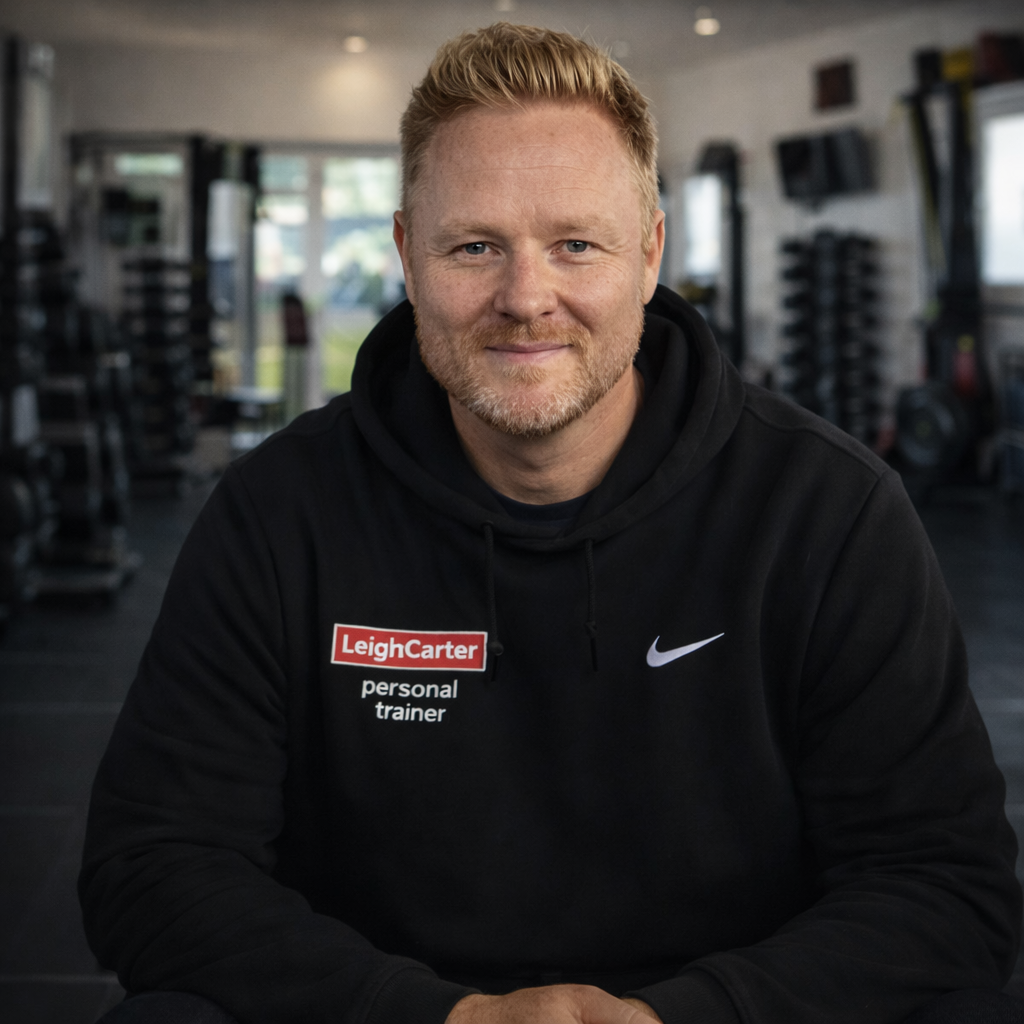
By Leigh Carter
Personal trainer at anybodygym
If you don’t feel like exercising, start by making the next step manageable. If you feel well enough, try a short, easy start and reassess. If you need recovery, adjust the session or take a break. And if this happens week after week, look at the plan, the demands of your life and whether you can see progress from what you’re doing.
In my experience, motivation becomes easier when you can answer one question: “Is this working?”
Why can’t I make myself exercise?
You can know that exercise matters and still struggle to get through the gym door. The thought of another demanding workout, on top of everything else, can be enough to put you off.
I think one of the biggest problems is effort without a clear reward. You’re working hard, perhaps changing how you eat, but you can’t tell whether any of it is making a difference. Why would you feel enthusiastic about doing it again?
That’s where I start with coaching. We need a manageable plan and a way to see whether it’s helping. Simply asking someone to try harder doesn’t resolve a routine that leaves them overwhelmed.
What keeps me training is the feedback
My position now is different from someone starting out. I’ve trained consistently for a long time, and the habit is well established. I’ve also experienced enough positive results that I rarely have to debate whether I’m going to train.
I think of it as a positive feedback loop. I do something consistently, see a useful change and feel more inclined to keep doing it. Over time, training becomes part of the day.
“Is this working? Yes. Then I’ll keep doing it.”
That’s the position I want to help clients move towards. It takes time, and life can still get in the way. But seeing progress gives you something concrete to come back to.
Start with five minutes and reassess
If I’m simply reluctant to get started and otherwise feel well, an easy start can help. Give yourself permission to do a gentle warm-up or a few minutes of familiar movement, then decide how you feel.
Sometimes the resistance eases once you begin. Sometimes it doesn’t. You can shorten the session, make it easier or stop. The aim is to make starting feel achievable.
If you feel better afterwards, take a moment to notice that. Remembering how it felt to finish can be useful the next time getting started seems difficult.
When taking a break makes sense
I pay attention when my own performance starts dropping over several sessions, or I begin a workout and can’t perform as I normally would. That can be a reason to recover or change what I’m doing.
Life matters too. An ill family member, a problem at work or an important commitment may deserve your attention more urgently. A few days away from the gym can be the sensible choice. Make the next step back manageable when you’re ready.
I often fit my own rest days around those demands. That’s how I manage my established routine; your plan may work better with scheduled recovery.
Feeling tired or hungry doesn’t by itself show that training is working. Look at sleep, food, recovery and how you’re functioning through the day as well as your results. If tiredness continues for weeks without a clear reason, affects everyday life or comes with other symptoms, speak to your GP. NHS guidance on tiredness and fatigue.
Make progress clear enough to notice
With clients, I prefer to begin with a few achievable changes and introduce more gradually. As someone starts seeing a useful change, the conversation often shifts from “I can’t be bothered” to “What more can I do?”
Choose measures that match your goals, and compare them over time.
Strength
Are familiar exercises becoming more controlled? Can you manage more repetitions or an appropriate increase in weight?
Fitness
Can you walk further, sustain a comfortable pace for longer or manage everyday tasks more easily?
Weight management
If weight loss is your goal, is the longer-term trend moving as intended while your eating and training remain manageable?
Those measures sit alongside how well the routine fits your life. A plan needs room for recovery, changing circumstances and adjustments when something isn’t working.
If weight loss is part of the goal
Trying to change everything at once can make the process feel like hard work before you’ve had a chance to understand it.
My starting point is often to ask someone to record what they currently eat for about two weeks, alongside their normal activity and weight trend. Initially, the job is to notice what’s happening. That can be educational in itself.
We use the record to estimate a realistic starting point and make manageable adjustments. An average food intake alone doesn’t establish exactly how many calories someone needs; we check it against their weight trend and circumstances, then review.
Weight loss involves an energy deficit over time. It also needs an approach you can sustain. If your plan leaves you persistently drained or hungry, that’s something to discuss and adjust. NHS guidance on calories.
What to do for exercise when a full workout feels too much
A shorter session can still have a place. Try a comfortable walk, some gentle mobility or a smaller version of your usual workout, depending on how you feel.
I enjoy cycling. Sometimes I ride hard; other times it’s simply a relaxing ride along the river. Having an easier option can help you stay involved without making every outing a demanding session.
If you’re new to exercise, build up gradually. The NHS exercise guides offer starting points for different abilities.
A plan you can see working
I’m Leigh, the trainer behind anybodygym. My approach is to start at a level you can manage, make progress visible and adjust the plan as we learn what works for you.
If you’re struggling to stay consistent, we can look at your goals, your current routine and what makes getting started difficult. That might include strength, fitness, weight management or a combination of them.
Online personal training and coaching
Work with me online for a personalised training plan, regular check-ins and guidance on progression and nutrition. We build around your experience, available equipment and the time you can realistically commit.
Private personal training in Peterborough
If you’re nearby, train one-to-one with me at my private gym in Peterborough. You have the gym to yourself for your session, with coaching adapted to your starting point and goals.
A free consultation is a chance to discuss what you’re finding difficult and whether working together would suit you.