Do You Need a Six-Pack?
Fitness Goals That Last
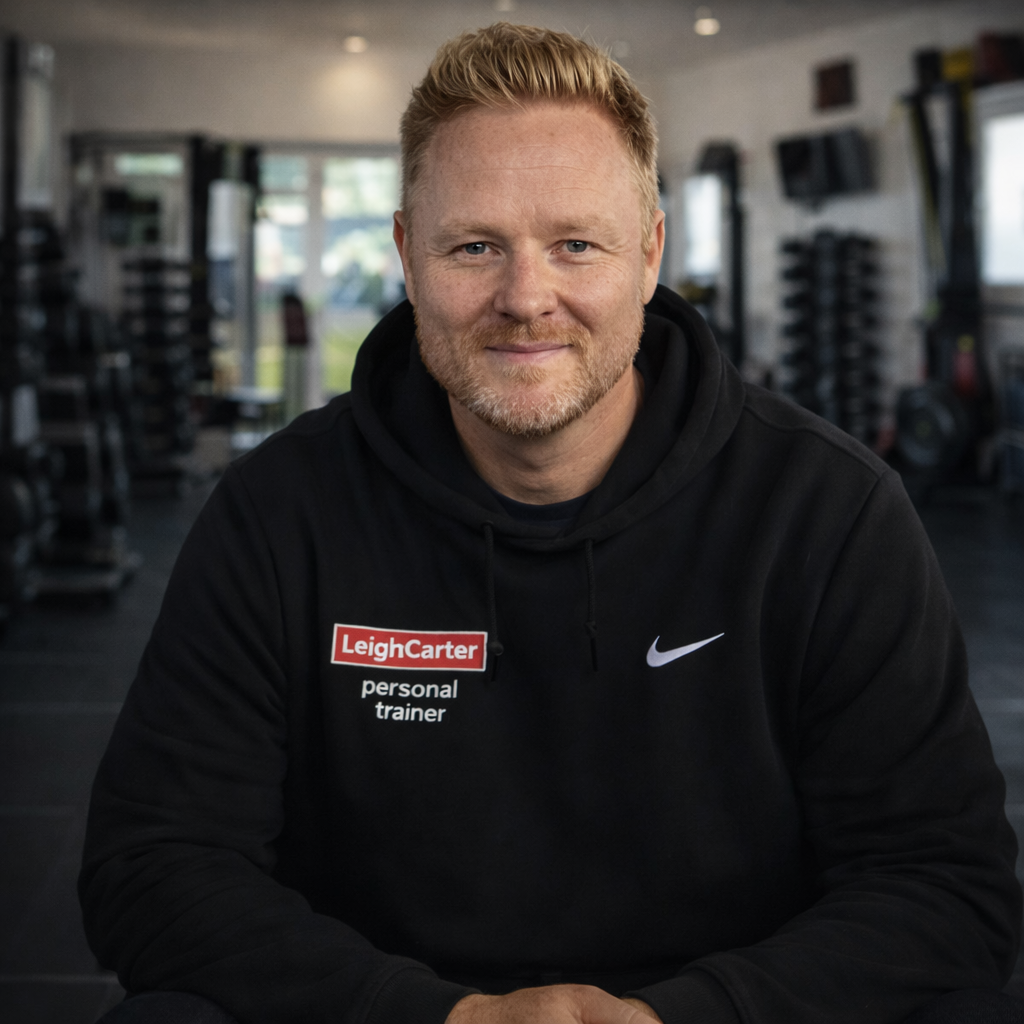
By Leigh Carter · anybodygym
Private personal training in Peterborough · Online coaching across the UK
You have a job, family commitments and a body that does not look quite like it did in your twenties. Then you see an impressive physique online and decide that a six-pack is the answer. A new programme arrives, enthusiasm goes up, real life gets in the way, and the programme eventually joins the other good intentions in the cupboard.
My issue is not with wanting to look better. It is with choosing a goal without considering what getting there, and staying there, will actually require.
You do not need visible abs to make worthwhile progress. Build a training and food routine that improves your strength, fitness and day-to-day life. If a leaner appearance is part of that goal, assess the effort and the outcome together.
A six-pack is an outcome, not a complete fitness plan
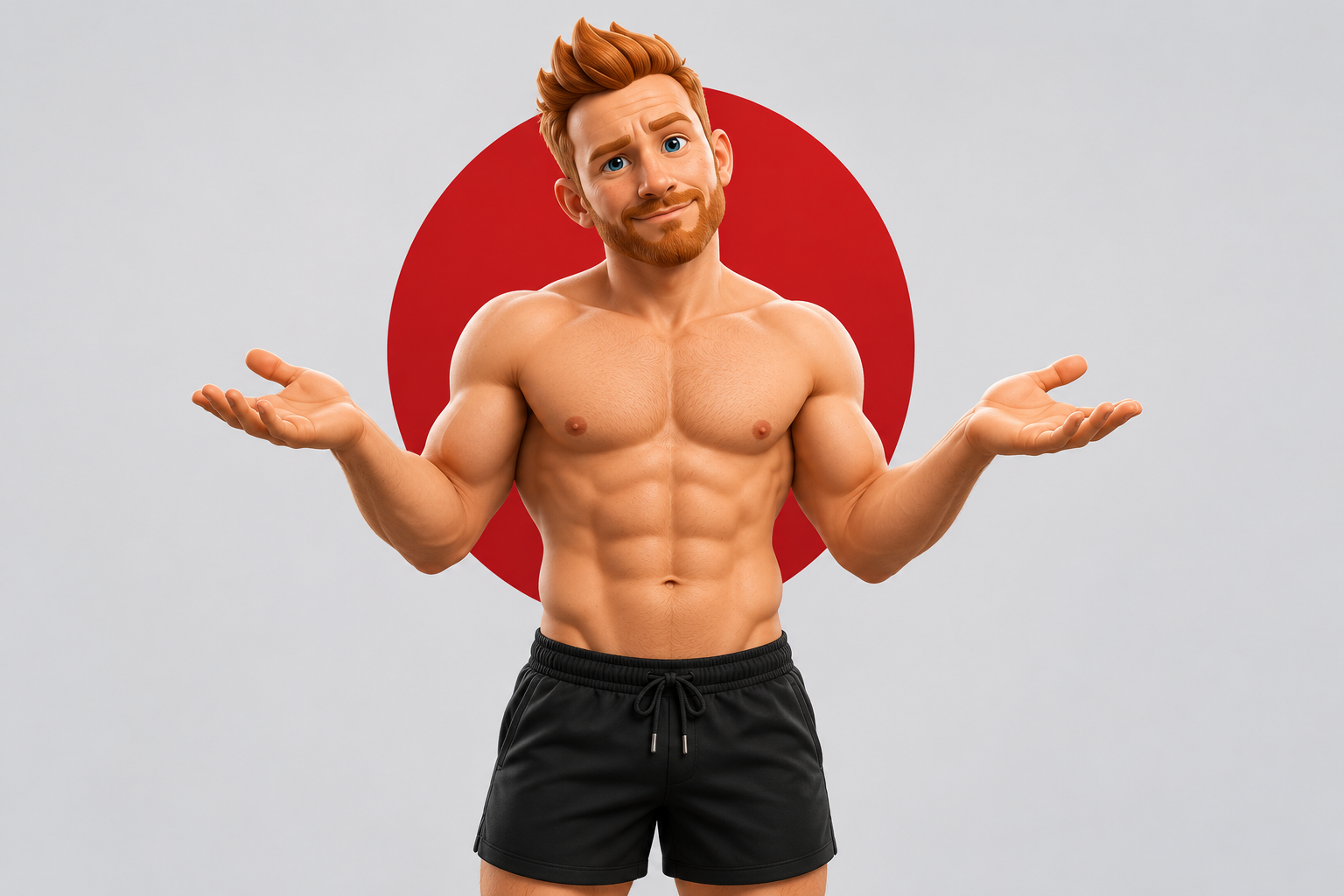
Abdominal definition can become more visible as body fat decreases, depending on how much abdominal muscle you have and where you carry fat. But a photograph cannot tell you how strong someone is, how well they recover or whether their routine fits their life.
In my coaching, health and capability come first. I want you to be able to do more with your body and keep doing it as you age. Looking better can be a welcome result of that work; it does not need to become the only measure of success.
A six-pack or a marathon can be a meaningful personal ambition. The question is whether you want the process that goes with it, rather than only the moment at the finish.
What body-fat percentage should you aim for?
For some of the men I coach, an estimated body-fat level around 20% can be a more practical discussion point than chasing extreme leanness. Personally, I would not normally encourage those clients to pursue below 15% without a clear reason and an honest conversation about the trade-offs.
Those are my coaching preferences, not medical cut-offs or promises about how a stomach will look. They should not be transferred to women. Body-fat estimates have limitations, and health cannot be judged from one percentage. UK guidance also considers measures such as waist-to-height ratio and BMI in context; the NHS waist-to-height guide explains that distinction.
The part a very lean photograph does not show
I currently estimate my own body fat at around 10%. I enjoy having a challenge and testing what I can achieve while trying to retain my strength and cardiovascular fitness. That personal interest does not make my target the right one for a client.
Getting leaner can be uncomfortable. During weight loss, hunger may increase and energy expenditure can fall. Some of the change comes from having a smaller body; additional adaptations can occur too. The extent varies between people and circumstances.
There is also the everyday movement you may barely notice: walking, getting up, doing jobs around the house or simply moving about. If dieting leaves you less inclined to do those things, your activity can fall substantially. That is different from saying everyone's resting metabolism suddenly drops by a fixed amount.
So I would ask: are you happy with the hunger, planning and effort involved? Can you still train, recover, concentrate and enjoy your life? If not, pushing the number lower is not automatically progress. Persistent fatigue, dizziness or other concerning symptoms deserve attention, not a harder diet.
The leanest version of you is not automatically the best version of your everyday life. Choose a result you can reasonably maintain, with room for family meals, holidays and the rest of being a person.
Set fitness goals you can measure before the mirror changes
Keep the appearance goal if it matters to you, but give yourself other ways to recognise useful progress. Here are examples to agree and track:
Strength
More controlled repetitions or a gradual increase in load on suitable exercises, with technique and recovery kept in view.
Fitness
Managing a familiar walk or cardio session more comfortably, or gradually doing more at a comparable effort.
Consistency
Completing a realistic number of sessions and understanding your food intake without repeatedly starting over.
If weight loss is appropriate, review the trend over time rather than one weigh-in. Waist measurements, how clothes fit and training records can add context. None of these needs to become a daily judgement about your worth.
A useful question is: if the mirror changed slowly, would this routine still be improving your life? If the answer is yes, you have more to keep you engaged than a distant photograph.
Make today's actions manageable
You do not have to solve the rest of your life this morning. Decide what you can do today that supports the direction you want to go. Then repeat, review and build on it.
- Understand your starting point. In my coaching, I assess strength and fitness and usually review around two weeks of food records before deciding what needs changing.
- Choose a routine that fits. Set aside time you can realistically protect. Daily movement can be useful; that does not mean a hard workout every day.
- Change food with a purpose. Understand your intake and, where appropriate, work towards a manageable calorie deficit while keeping protein and overall nutrition in view. My practical protein guide explains how I approach that part.
- Review the response. Look at your training, weight trend if relevant, hunger and recovery together. Adjust the plan rather than assuming you must simply try harder.
My exercise-bike and television example
One approach I have used is pairing a favourite programme with a comfortable indoor exercise bike. Start with an amount you can comfortably manage, rather than turning the first session into a test of willpower. As the habit becomes familiar, time or effort can gradually increase.
The useful signal is the repeatable activity and how you perform. A bike's calorie display is an estimate, not a precise measurement or permission to eat back a particular amount. You do not need to buy a bike to use the principle: pick a suitable activity and make it easier to repeat.
If the main obstacle is getting yourself started, read what to do when you cannot be bothered to exercise. This article's question is what you are working towards once you do.
Questions about six-pack goals
Can I be fit without a six-pack?
Yes. Visible abdominal definition is not required for strength, cardiovascular fitness or useful everyday capability. Assess those things directly instead of assuming a particular appearance proves them.
Is it wrong to want visible abs?
No. It is a personal preference. Understand the work involved, avoid treating a particular look as a guarantee of health, and review whether the process remains worthwhile for you.
Do I have to stay in a calorie deficit forever?
No. A deficit is a weight-loss phase, not a permanent requirement. Once an appropriate goal is reached, the focus shifts to maintaining it and continuing a sustainable training and food routine.
A plan that fits your life
At my private gym in Peterborough, we can assess where you are starting, choose realistic goals and review whether your training and food changes are working. The whole gym is reserved for your one-to-one session.
If you prefer to train at home or elsewhere, my online coaching offers another way to get structure and support. The aim is to help you understand the process and make progress you can sustain.
Sources and further reading
- Metabolic adaptation to weight loss: implications for the athlete — review of energy expenditure and dieting adaptations.
- How strongly does appetite counter weight loss? — research on appetite responses to weight loss.
- NICE: assessing overweight, obesity and central adiposity — interpreting body measurements in a health context.
This article combines my coaching perspective with general information. It is not an individual body-fat target or a substitute for medical advice.