
Switching Off: Meditation, Movement and a Calmer Mind
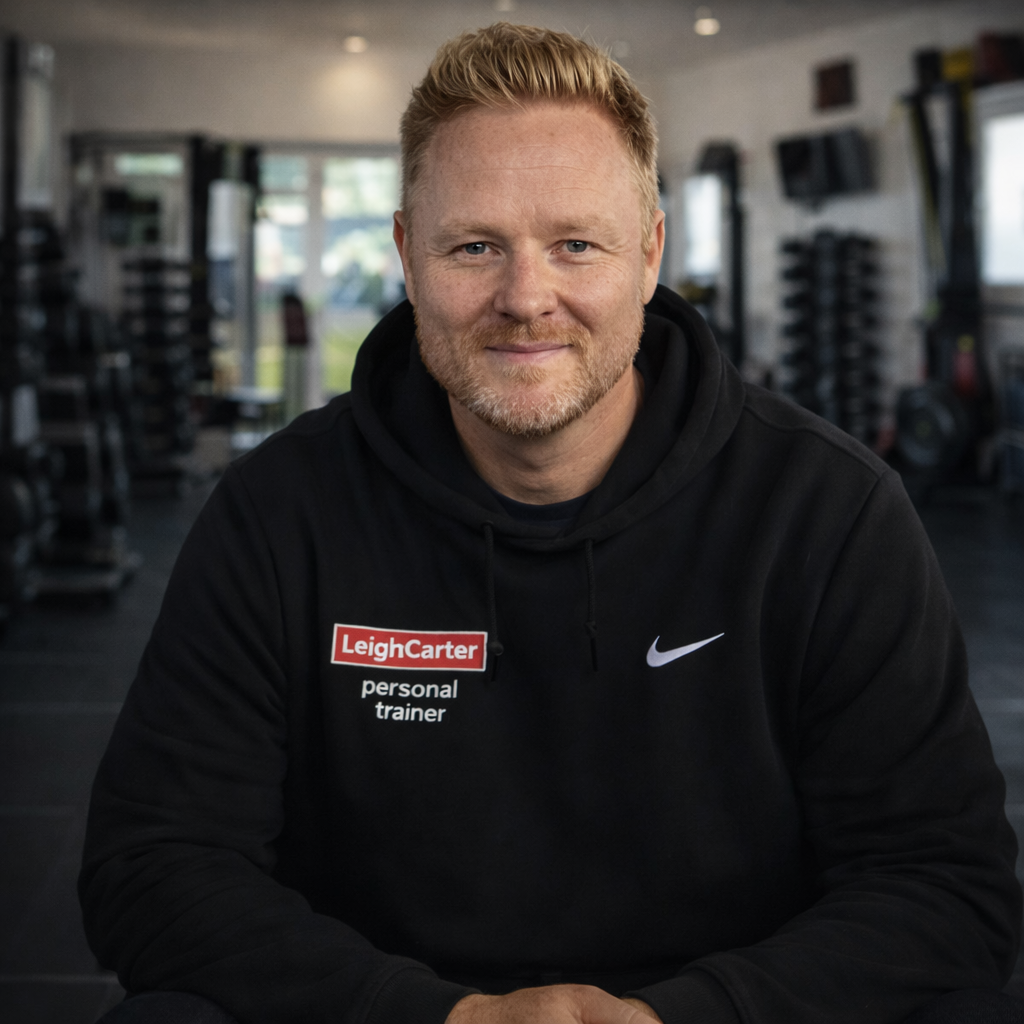
Private personal training · Peterborough & online
A calmer mind does not require winning a competition to have no thoughts. I use enjoyable movement, ordinary routines and practical help with overwhelming tasks. These are personal habits, not a replacement for mental-health care.
If I could sell an empty head
I have joked before that if I could sell the moments when nothing much appears to be happening in my head, I would have a very successful business. Unfortunately, staring at something is not always a productive business model.
The serious point is that switching off matters to me. I sometimes describe my whole life as a form of meditation because the result I am trying to create is calm. That is an analogy about how I live, not a definition of meditation or a claim that my routine is the right one for everybody.
The things I still do
I still ride every day. Hobbies, familiar entertainment and a bedtime routine also remain part of how I manage stress and make room to settle down. Not every enjoyable activity has to become a tracked performance project.
Some days the bike ride is simply the bike ride. I do not need a personal best, a graph or a message telling me I have achieved something. It gives the day a different rhythm and a break from the work in front of me.
Sometimes technology is the helpful part
It would be easy to turn this into another article saying that all technology is the problem. That would not reflect my experience. I now use AI tools, including ChatGPT, to help with projects that are too large to fit comfortably into my normal schedule.
This website is an example. A long list of articles I want to improve can sit in the background, making me anxious because I cannot see how to get through them. Putting the job off then makes the list feel larger. Practical assistance helps me turn that backlog into smaller pieces of work.
That is different from endlessly scrolling. The question for me is whether the tool is reducing a burden or adding another one. I still need to check the work and decide what is appropriate; handing over a task does not remove responsibility for it.
Calm is not the same as doing nothing
A useful routine may include movement, a hobby that holds your attention, time with other people or a practical solution to something you have been avoiding. It does not have to look impressive from the outside.
I would rather identify what is actually making a day difficult than prescribe the same relaxation technique to everyone. Sometimes the useful change is an earlier stopping point for work. Sometimes it is help with an unmanageable task. Sometimes it is simply making time for something enjoyable.
Where exercise fits—and where it does not
Physical activity can support wellbeing, but it is not a guaranteed cure for anxiety or depression and should not be presented as superior to every treatment. Persistent distress, worsening symptoms or difficulty functioning deserve appropriate professional support.
In coaching, we can make exercise less intimidating and more manageable. That may remove one source of stress rather than adding another demand to an already full life. The aim is a routine that supports you, not another reason to feel that you are falling behind.
Sources and further reading
Build strength, fitness and lasting habits
My private Peterborough sessions and online coaching are built around a realistic routine. We can work on strength and fitness without making every day a test, and adapt the plan when work or life becomes demanding.