
Sort Your Life Out: What’s the Plan?
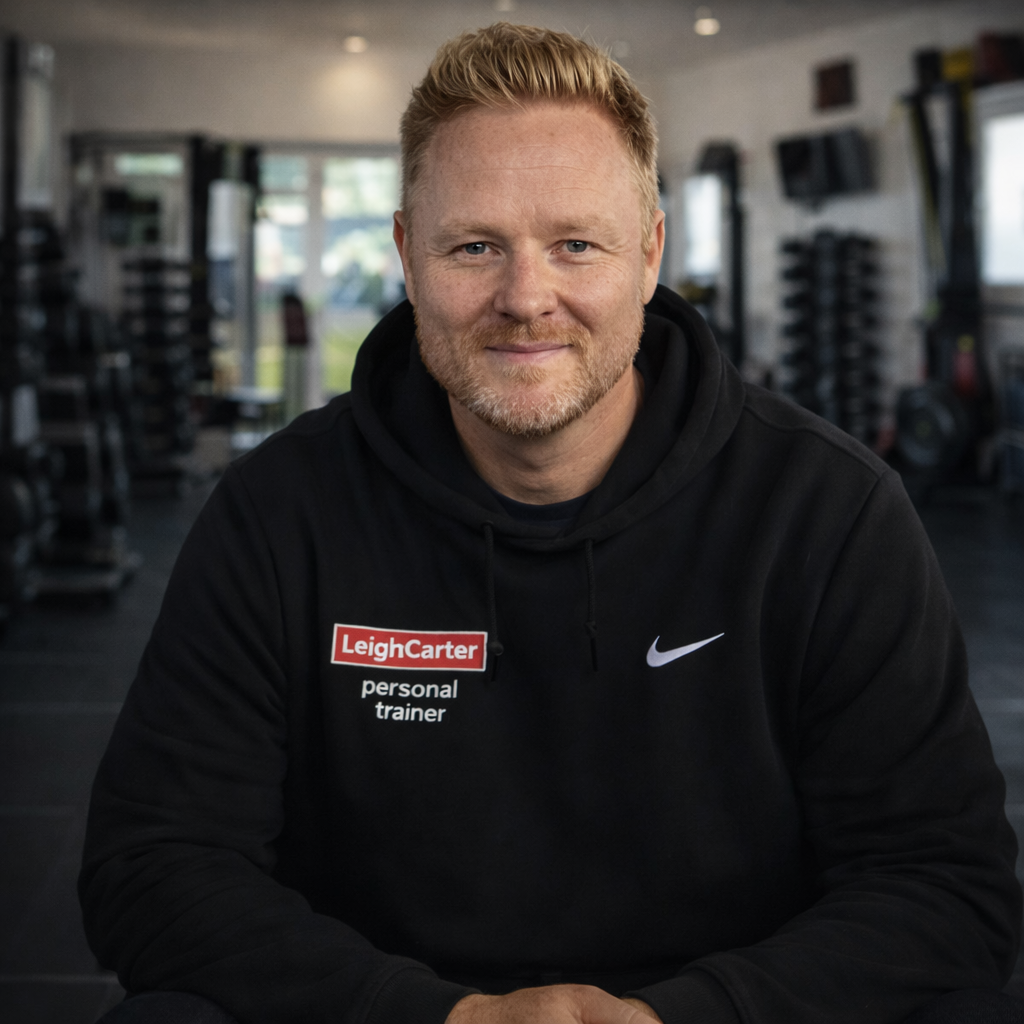
By Leigh Carter · Personal trainer at anybodygym
Private training in Peterborough · Online coaching across the UK
Want to get fit but keep putting it off? Before another diet, another Monday or another fresh start, ask a more useful question: what is the plan? This is my direct take on taking your health seriously and giving that intention somewhere practical to go.
The starting point: turn “I should do something” into a manageable plan for training, food and recovery. If you want help doing that, my online coaching can provide the structure and ongoing support.
What’s the plan?
With the new year now in full effect, many of you might be contemplating ways to enhance your fitness or embark on a diet to shed a few pounds. However, I won’t be discussing the typical rhetoric about the new year offering a fresh start. Instead, let’s cut through the clichés and talk about facing the reality of your choices.
So, here’s a question: What’s your plan?
Crafting a fitness plan: “What’s the plan?”
I like this question because it forces people to confront the implications of their decisions. Let me illustrate with an example: imagine someone riding a motorbike in shorts.
Leigh: “What’s your plan?”
Motorbike person: “What?”
Leigh: “What’s your plan if you fall off?”
Motorbike person: “I won’t fall off.”
But assuming it will not happen is not a plan. If you fall off, the consequences can be serious. So, what is the plan?
This is specifically targeted at adults. When you are younger it can be easier to put off thinking about long-term health; that does not mean younger people are immune to the consequences.
So, “What’s the plan?” Are you just going to see how it goes? Slowly gaining weight over the years, paying no attention to providing your body with real nutrients, just putting things in it that taste good? Are you going to start concentrating on getting fit next week, or on Monday, or after you handle that important thing? Slowly allowing your already weak body to deteriorate into an old pile of mush, speeding up your eventual demise.
Look around you. Look at those really old people that still have completely functional bodies, strong and capable. They usually have a few things in common. But before that, I can hear you wanting to tell me that story about that lady who smokes and drinks and is 95. Yes, that’s great, but that’s an anomaly and that’s why it’s an interesting story.
So, back to my rant. Staying active, maintaining strength and eating in a way that supports your health are much more useful things to focus on than hoping to be the exception.
Why strength and cardiovascular fitness matter
I listen to people such as Peter Attia and Dr Rhonda Patrick because I am interested in how we stay capable as we age. The scale of the fitness research is one reason I take this seriously.
A striking comparison: a large observational study found roughly five times the all-cause mortality hazard in the lowest cardiovascular-fitness group compared with the elite-fit group during follow-up. Peter Attia discusses this study in his material on fitness and longevity.
This was an observational comparison between groups, not a trial of a particular training programme or a guarantee of an individual outcome. Fitness was assessed using treadmill exercise performance.
Strength matters too. Research associates greater muscular strength with lower mortality. Muscle size, strength and strength training are different measures; the practical point is to build and maintain useful strength as you get older.
The meaning behind it is what matters to me: work on your strength and cardiovascular fitness, consistently. Give yourself the best practical chance of staying capable rather than waiting for your body to become harder to use.
Strategising your fitness journey: actionable steps
Here’s an idea, and I’ll put it into some key points:
- Do some form of movement every day. Occasionally something will get in the way, but start to create a mindset that exercise is a regular part of life. Hard training still needs recovery days.
- Stop eating junk all the time and eat it just a small amount of the time. Your body requires proper food to function. Look at the overall pattern rather than expect one “good” food to solve everything.
- Sleep properly, and if you can’t sleep, address why. Sleep gives your body time to recover. Persistent problems deserve appropriate help.
- Work towards a healthy, realistic weight for you. Consider your wider health and circumstances rather than chase an arbitrary number.
- Put supplements in their place. Consider genuine needs and professional advice where appropriate. They do not compensate for a poor overall diet or mean everyone needs the same list.
- Drink enough fluid. Water is a straightforward option. Unsweetened tea and coffee also contribute; you do not need to force excessive quantities.
- Look honestly at your drinking. Reducing alcohol or taking a break can help you understand its place in your routine. If you may be dependent, seek medical advice before stopping suddenly.
- Realise how important all this stuff is. Pay attention to your health on a daily basis. Small actions repeated are more useful than an impressive plan that never starts.
So, “What’s the plan?”
Here’s an idea: start acting like you care about the most important thing you own—your body.
You do not need all the answers before you begin. Choose an achievable first step, a time to do it and a way to see whether you are following through. Then review and adjust.
If you want help turning that into something specific, that is where I come in. My online coaching starts with your goals, experience, equipment and the time you can realistically commit. We can build a plan and keep working on it instead of leaving “I’ll start soon” hanging in the air.
Sources and further reading
Put it into practice with anybodygym
Online Personal Training & Coaching
I’m Leigh, the personal trainer behind anybodygym. I help adults build strength, improve fitness and work towards weight-management goals with structured training and realistic nutrition guidance.
You do not need to live near my gym to work with me. My online coaching brings that support to you across the UK, with a personalised training plan, regular check-ins and guidance on how to progress. We start with your goals, experience and available equipment, then build a routine you can realistically follow.
In Peterborough? Train one-to-one with me in a fully private gym: just you and your trainer, with no other clients sharing your session.